

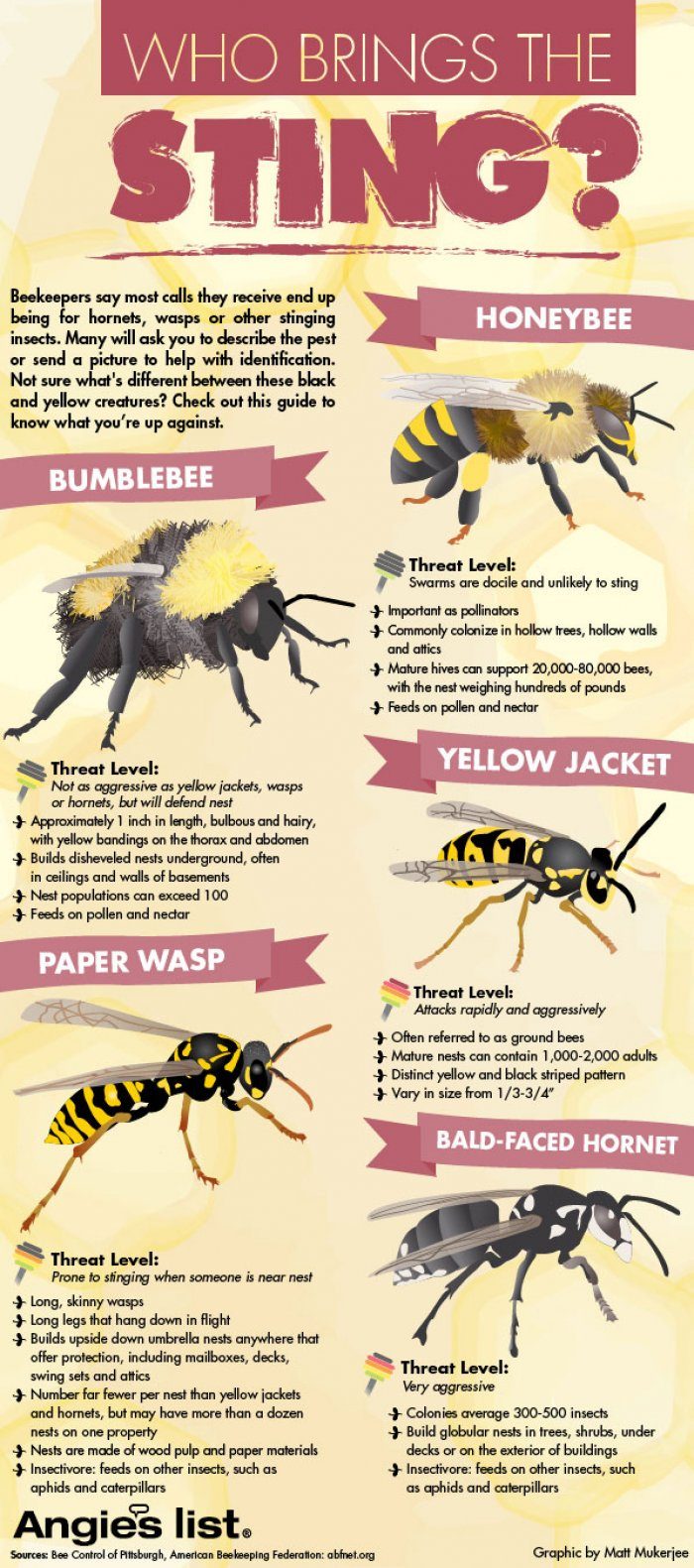
Honeybees are flying insects but very intelligent ones, and close relatives of wasps and ants.
They are found on every continent on earth, except for Antarctica.
The honeybees we know and love forage for nectar and pollen from flowering plants.
The honey bee is a herbivorous animal and therefore lives purely on the nutrients from plants. Honey bees prefer to ingest the sweeter plant produce such as nectar, pollen, fruits and even honey. Due to their small size, honey bees have a number of predators in their natural environment.
Did you know?
Bees have 5 eyes
Bees have been here around 30 million years
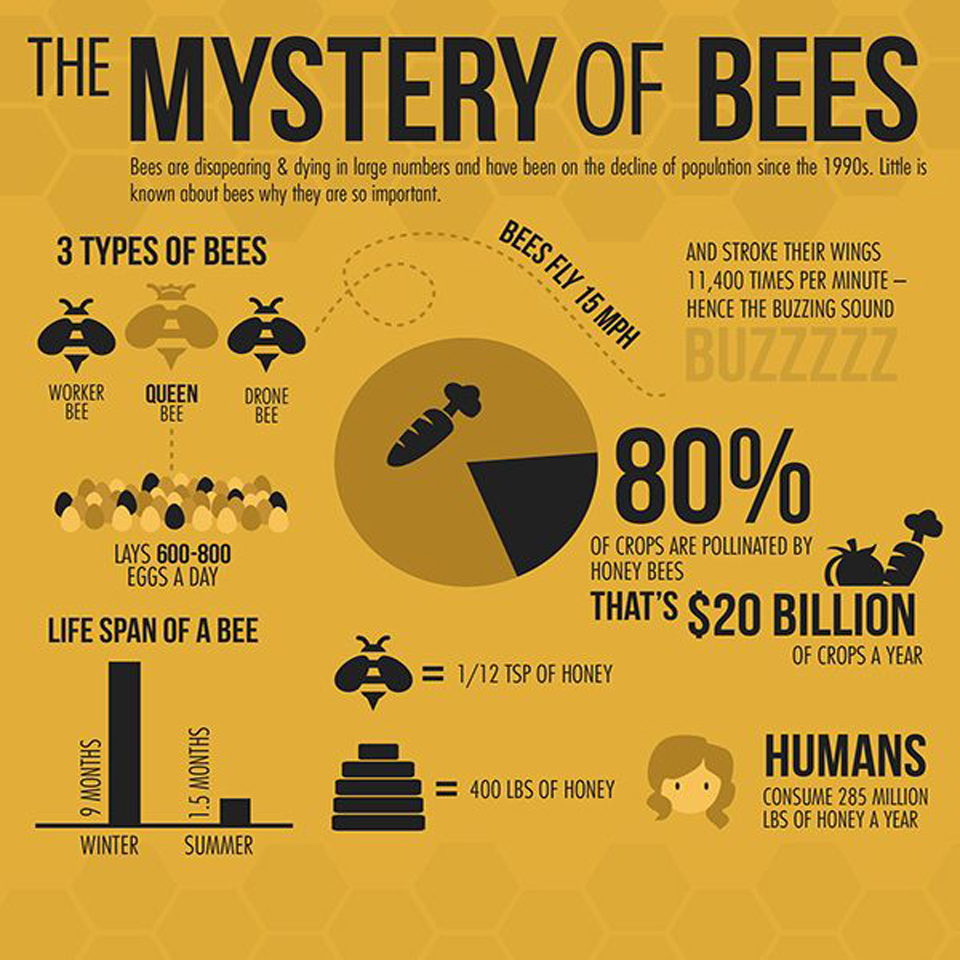
Bees can fly at a speed of 20 miles per hour
Bees are insects, so they have 6 legs
An average beehive can hold around 50,000 bees
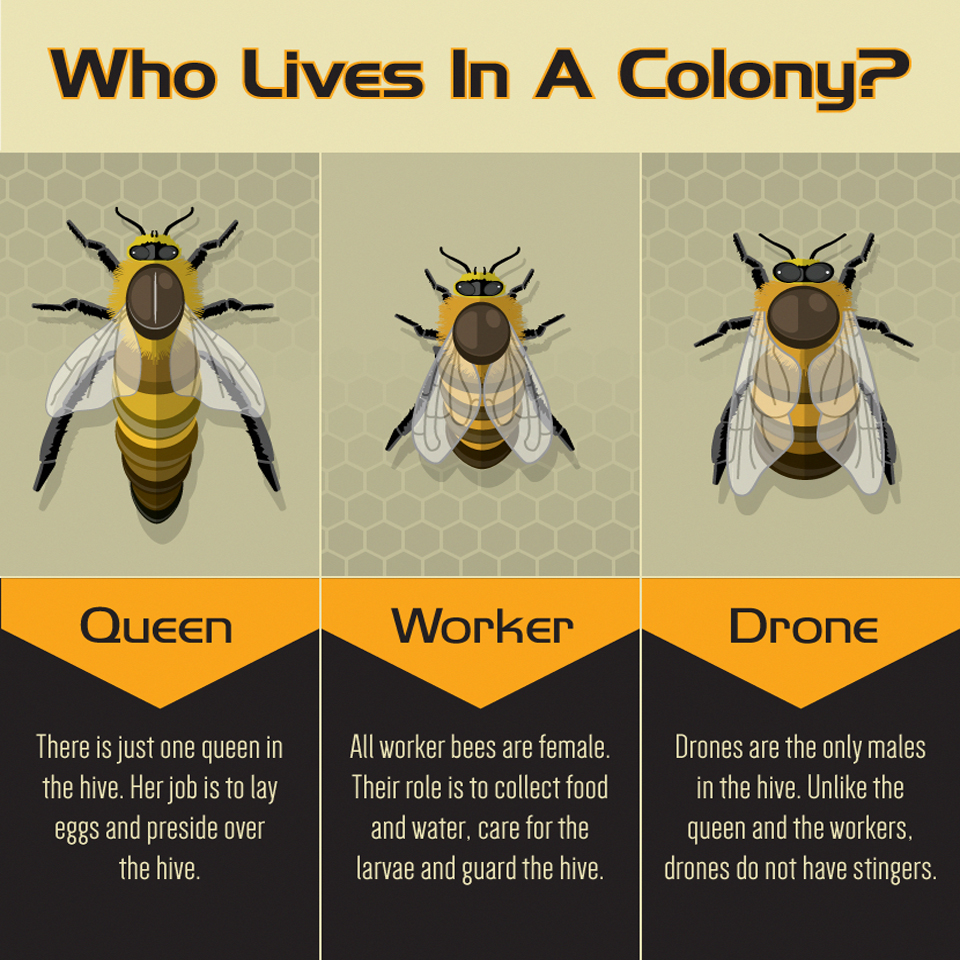
Male bees in the hive are called drones
Female bees in the hive (except the queen) are called worker bees
Losing its stinger will cause a bee to die
Bees carry pollen on their hind legs called a pollen basket or corbicula
Foragers must collect nectar from about 2 million flowers to make 1 pound of honey.
The average forager makes about a half a teaspoon of honey in her lifetime.
Bees have 2 pairs of wings.
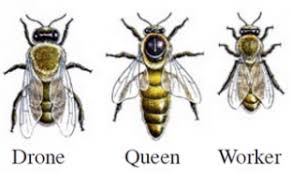
There are about 20,000 different species of bees in the world. Bees live in colonies and there are three types of bees in each colony: The queen, the workers and the drones. A queen bee is the only female bee in the hive that gets to reproduce.
Worker bees are all female, and are all offspring of the queen. Males in the hive are called drones.
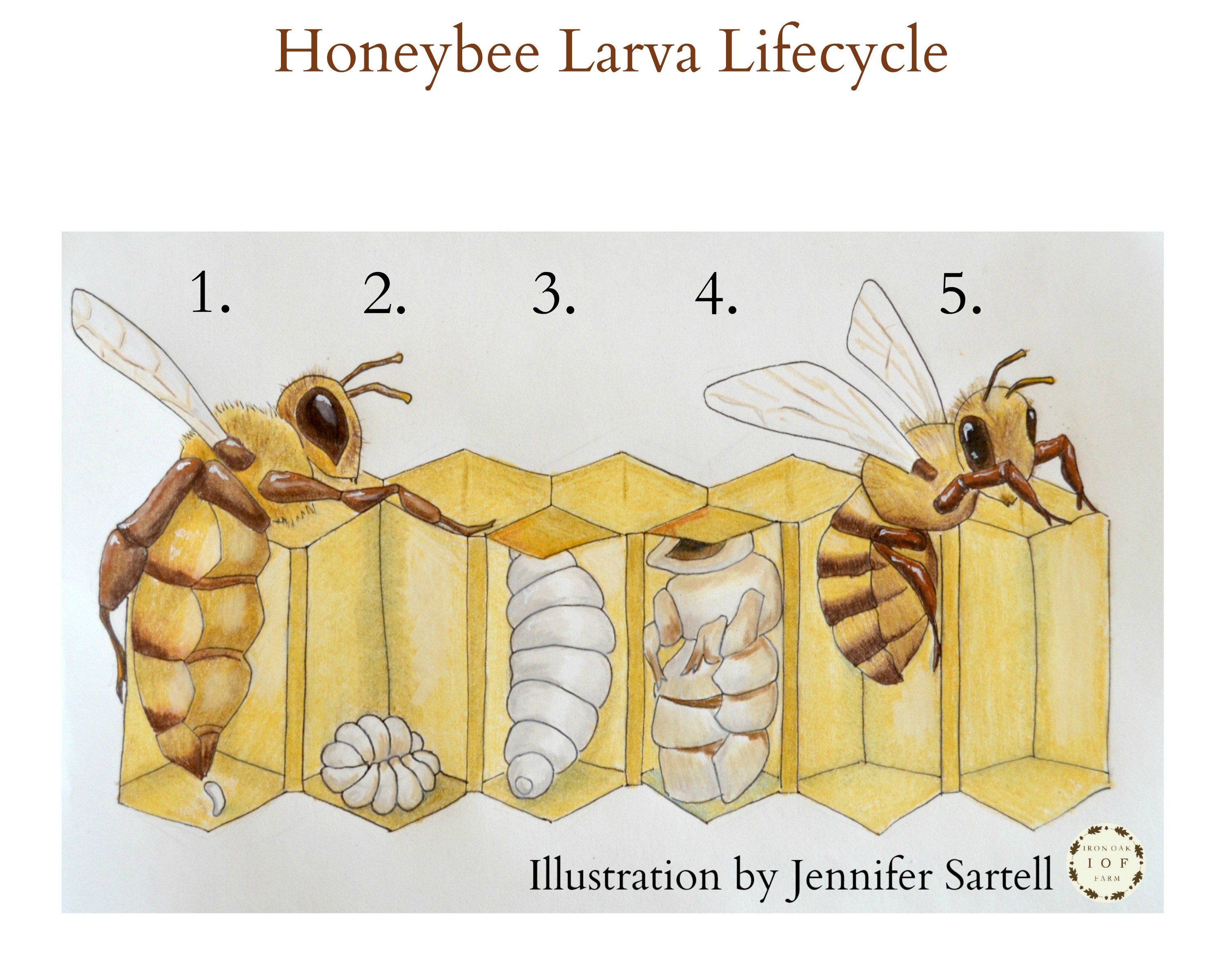
The bees “decide” to swarm, i.e. take one hive and split it into two. In all of these situations, the bees need a new queen. They choose female eggs (apparently at random) and relocate them into bigger cells (“queen cells”). ... The cells are then capped, the larvae create pupae and transforms into queens.
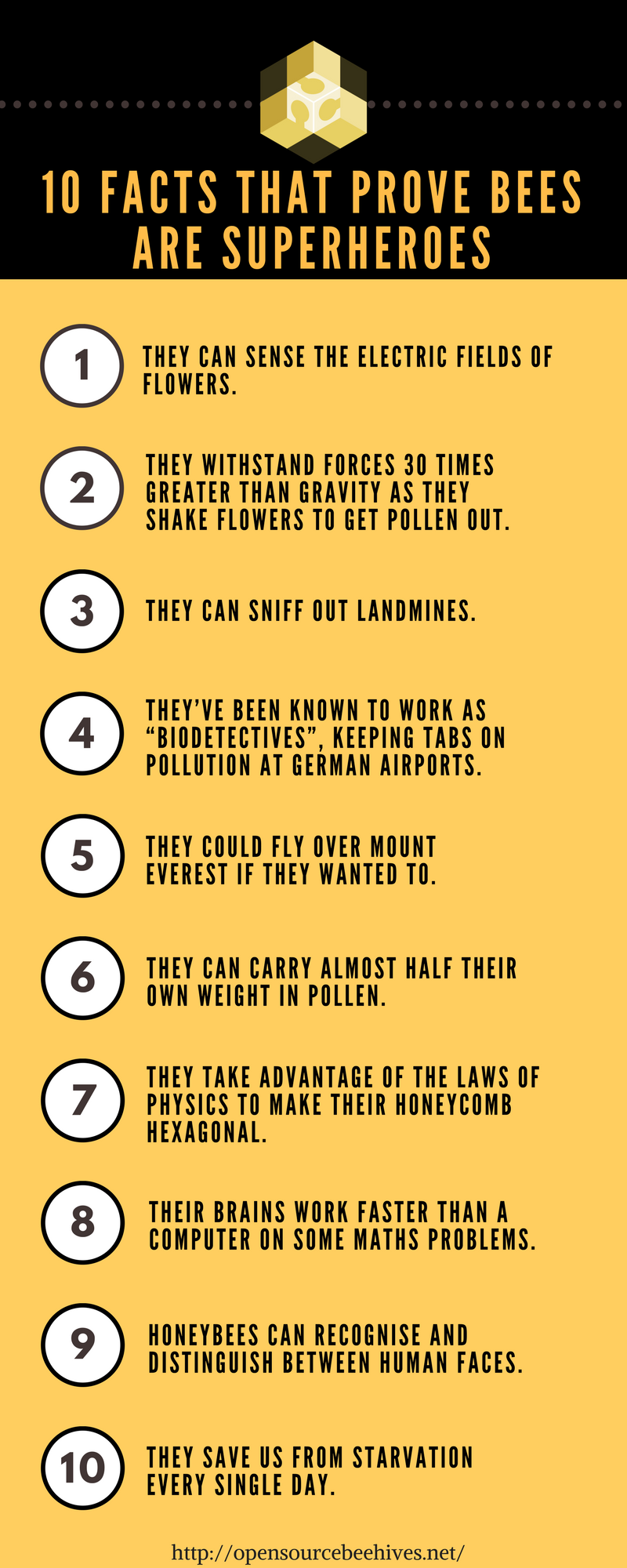
1 - Busy bees have to sleep, too. Similar to our circadian rhythm, honeybees sleep between five and eight hours a day. And, in the case of forager bees, this occurs in day-night cycles, with more rest at night when darkness prevents their excursions for pollen and nectar.
In 1983 that a researcher called Walter Kaiser made a new discovery: that honeybees slept. As he watched through his observation hive, Kaiser noted how a bee's legs would first start to flex, bringing its head to the floor. Its antennae would stop moving. In some cases, a bee would fall over sideways, as if intoxicated by tiredness. Many bees held each other's legs as they slept.
2 - The average worker bee lives for just five to six weeks. During this time, she’ll produce around a twelfth of a teaspoon of honey.
3 - Honey bees are also brilliant boogiers! To share information about the best food sources, they perform their ‘waggle dance’. When the worker returns to the hive, it moves in a figure-of-eight and waggles its body to indicate the direction of the food source.
4 - Honey bees are fab flyers. They fly at a speed of around 25km per hour and beat their wings 200 times per second!
5 - The queen can live up to five years. She is busiest in the summer months, when she can lay up to 2,500 eggs a day!

We have set this page us as a guide only.
Credit given to all image owners, If bee keepers in the UK would like to contribute to this page, please email all content and information to :- sale@theyorkshirebeeswaxcandlecompany.co.uk